


















eCommerce merchants hoping to expand into international marketplaces this year should highly consider the opportunities available in the countries of Latin America. Due to in-person shopping limitations and other disruptions caused by the Covid-19 pandemic, eCommerce has gained unprecedented popularity throughout the region. Online sales in Latin America are projected to earn a revenue of $94 billion by 2022, making it the fastest-growing regional market for the first time in over a decade, according to eMarketer. The excitement about online shopping is felt by retailers and shoppers alike. Increased access to the internet, cheaper smartphones, and new generations of digital-savvy consumers are generating a world of opportunities for domestic and international companies.
Major eCommerce Trends in Latin America
Generally speaking, the Latin American eCommerce market is still developing, but each country is unique when it comes to residents’ shopping preferences and concerns. Some regions have expanded internet accessibility to reach over 95% of their population, for instance, but older residents within these regions may be wary of trusting eCommerce sites in the first place.
Although merchants should take care to research the specific needs of the country they plan to expand to, there are a few eCommerce trends that will be highly important to the majority of consumers throughout Latin America in 2021. These trends include:
- Augmented reality (AR). One of the biggest barriers to eCommerce is the inability for customers to feel or try on products before they buy. AR aims to help shoppers find exactly what they’re looking for by giving them virtual “try before you buy” experiences. Stores equipped with AR capabilities, such as virtual fitting rooms or makeup studios, are far more likely to boost customer engagement compared to sites without these features.
- Personalization. By generating unique experiences for each shopper that visits your site, you can increase loyalty, gain followers, boost sales, and create advocates for your brand.
- Sustainability. “Going green” is not a phase that will disappear anytime soon in any eCommerce marketplace. Consumers of all ages are showing an increased interest in eco-friendly products, and people have shown a willingness to pay more for items made by ethical companies.
- Social selling. A study conducted in January 2020 revealed that over 65% of people in Bolivia, Brazil, Cuba, Mexico, Ecuador, and Columbia actively use social media. In Argentina, Uruguay, and Chile, at least 76% of the population regularly access social media. Throughout Latin America, omnichannel marketing strategies typically involve Facebook, YouTube, Instagram, and Twitter.
Key Expansion Tips for eCommerce Merchants
One essential piece of advice for all international sellers, regardless of location, is to do thorough research before making plans to enter the market. Latin America contains several diverse countries that each have their own unique customs and cultural norms, so a company that succeeds in Brazil may flop in Argentina, for instance. Connecting with business partners in the region, learning some of the languages, and reading up on the history of the country are great ways to gain a deeper understanding of your target market.
Along with conducting independent research, use the following tips to ensure that your international business expansion goes as smoothly as possible:
- Consider local languages. Latin America contains approximately 422.5 million people, but only 800,000 people know English as their first language. Making sure your site is accessible in other languages will also help boost SEO and online visibility in the region.
- Think mobile first. As previously mentioned, rapid smartphone adoption has been one of the main factors driving eCommerce growth in Latin America. Your store needs to be mobile-friendly and responsive to meet customer demands.
- Create an omnichannel presence. Selling through a variety of different channels will help you create a seamless shopping experience for your customers and attract the greatest number of potential shoppers.
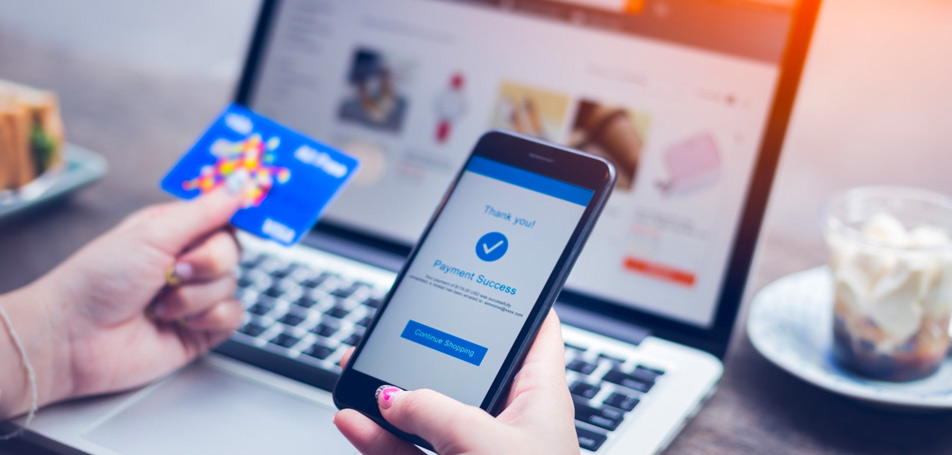
- Offer flexible payment options. A significant portion of Latin Americans don’t have a credit card, so retailers need to offer alternative payment processes. E-wallets, installment payments, voucher payments, mobile bank transfers, and other financing options should be thoroughly explored to make payment simple and straightforward for your customers.
If you’re ready for international business opportunities, Wagento is currently offering an unbeatable eCommerce package to get your site up and running in just 6-8 weeks. With this fixed-rate package, an expert Magento developer will create a fully customized Magento Cloud site integrated with Digital River, an all-in-one payment processing feature that makes international selling a breeze.