




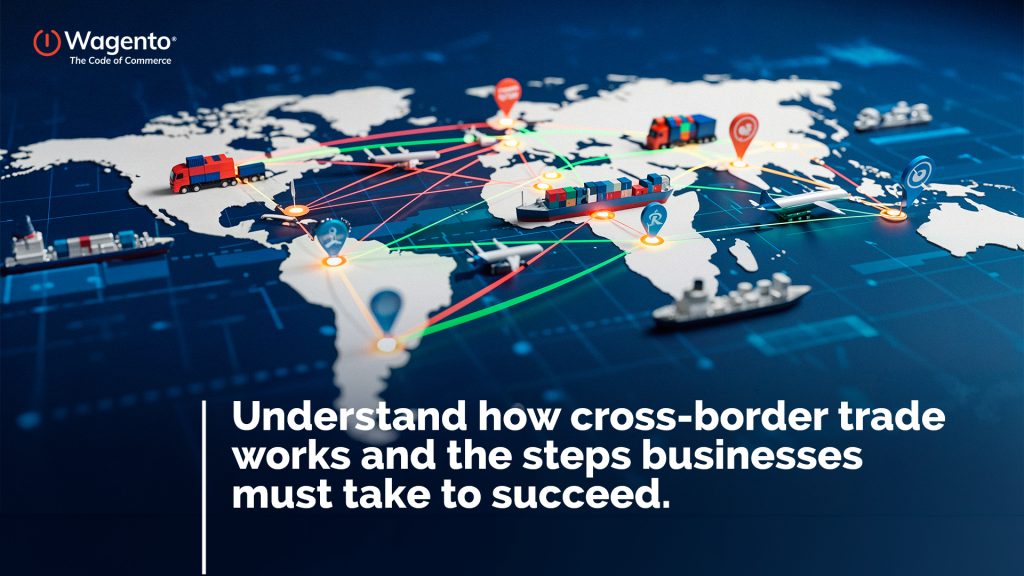
The growth of digital commerce has reshaped the way businesses engage with global markets. While cross-border eCommerce has long been associated with business-to-consumer (B2C) trade, business-to-business (B2B) cross-border eCommerce is expanding at a rapid pace.
According to Statista, global B2B eCommerce sales are projected to reach $36 trillion by 2026, with a significant portion attributed to cross-border transactions. This trend reflects not only technological advancements but also the strategic importance of global trade for businesses of all sizes.
This article outlines how cross-border B2B eCommerce works and highlights the key preparations businesses must undertake before entering international markets.
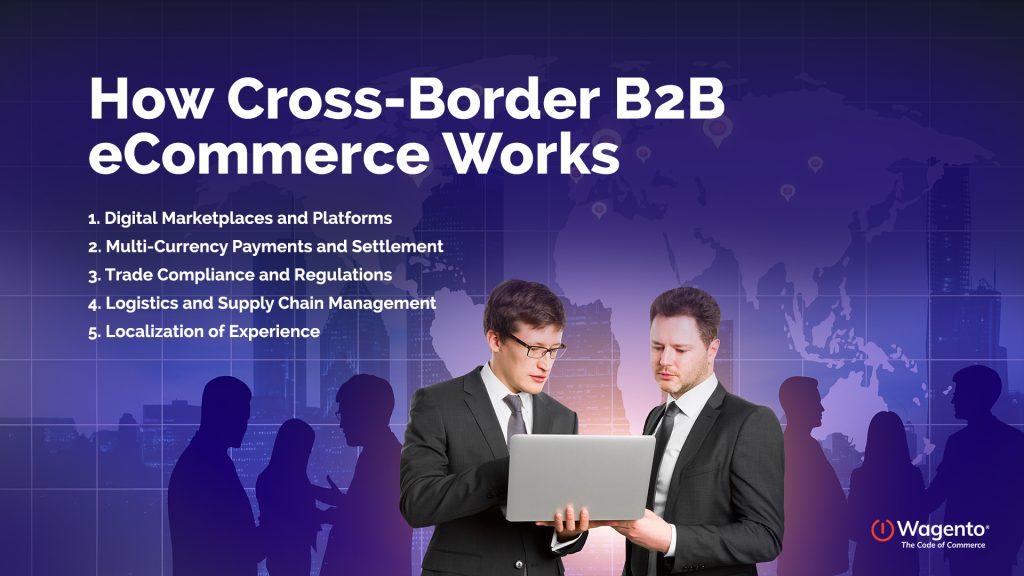
How Cross-Border B2B eCommerce Works
Cross-border B2B eCommerce involves businesses purchasing and selling goods or services across national borders using digital platforms. Unlike B2C transactions, B2B eCommerce typically involves larger order volumes, longer sales cycles, compliance-heavy processes, and integrated systems such as ERPs, CRMs, and supply chain management platforms.
1. Digital Marketplaces and Platforms
Global B2B marketplaces such as Alibaba, Amazon Business, and Global Sources enable sellers to reach international buyers efficiently. These platforms often include tools for product listings, secure payments, and logistics coordination.
2. Multi-Currency Payments and Settlement
International trade requires secure and compliant financial systems. Businesses typically rely on cross-border payment platforms such as Airwallex, Tipalti, or Sunrate to manage multi-currency settlements and mitigate risks related to exchange rates and fraud.
3. Trade Compliance and Regulations
Cross-border B2B transactions involve tariffs, duties, import/export regulations, and data compliance requirements. Compliance tools like Avalara and Vertex automate tax calculations and help businesses stay aligned with global trade laws.
4. Logistics and Supply Chain Management
Efficient delivery is critical in B2B trade. Platforms such as E2open and integrated shipping networks provide visibility into supply chains, helping businesses optimize inventory, manage customs clearance, and track deliveries across borders.
5. Localization of Experience
To ensure successful adoption in foreign markets, businesses must address language, cultural expectations, and local business practices. Solutions like Global-e and Lokalise support localized websites, catalogs, checkout flows, and documentation.
What Businesses Need to Prepare for

Before entering cross-border B2B eCommerce, businesses must assess readiness across several dimensions.
1. Regulatory and Legal Compliance
Companies must familiarize themselves with international trade agreements, country-specific tax rules, customs documentation, and data privacy regulations. Compliance failures can lead to shipment delays, fines, or reputational damage.
2. Payment Infrastructure
Establishing reliable payment systems that handle multi-currency transactions, fraud prevention, and settlement processes is essential. Businesses should also ensure that platforms integrate with existing financial systems.
3. Supply Chain and Logistics Readiness
Efficient cross-border logistics requires collaboration with global freight partners, third-party logistics providers (3PLs), and digital platforms that track goods in real time. Building contingency plans for delays, tariffs, or political disruptions is equally critical.
4. Technology and System Integration
B2B eCommerce often involves integration between front-end platforms and back-end systems such as ERP, CRM, and PIM. Without integration, businesses risk data silos, delayed transactions, and poor buyer experiences.
5. Market Research and Localization
Expanding globally is not only about technology—it requires deep market knowledge. Companies must conduct market entry studies, competitor analysis, and buyer behavior assessments. Localization of product descriptions, currency, and even preferred payment methods is often a deciding factor in customer trust.
6. Risk Management and Security
Cross-border operations increase exposure to currency fluctuations, cyber threats, and supply chain risks. Implementing strong risk management frameworks, along with insurance and cybersecurity protocols, helps ensure continuity.
For a closer look at the specific tools that simplify payments, logistics, compliance, and localization, read our companion article: Introduction to Cross-Border B2B Tools.
Why This Matters
Cross-border B2B eCommerce is no longer optional—it is becoming a standard pathway for growth. U.S. eCommerce companies, in particular, are seeing increasing demand from global buyers, with North America remaining both a leading exporter and importer in digital trade.
Businesses that invest in payment infrastructure, compliance systems, logistics networks, and localization strategies are better positioned to succeed in this competitive environment.
Final Thoughts
As international trade becomes increasingly digitized, cross-border B2B eCommerce presents both opportunities and challenges.
Businesses that wish to participate must take a structured approach—ensuring compliance, building resilient supply chains, adopting secure financial systems, and tailoring experiences for global customers.
Those who prepare adequately will not only unlock new revenue streams but also strengthen resilience in an interconnected economy.